
Most people assume that audio visual support simply involves someone setting up a mic stand and plugging in a projector. They consider AV background noise, something sorted out last once the venue, catering, and guest list are solidified. But this assumption is where people become blindsided when they actually start planning something that needs to run smoothly.
The truth is professional AV work encompasses a much broader scope than most clients are aware of when they first inquire.
More Than Microphones and Screens
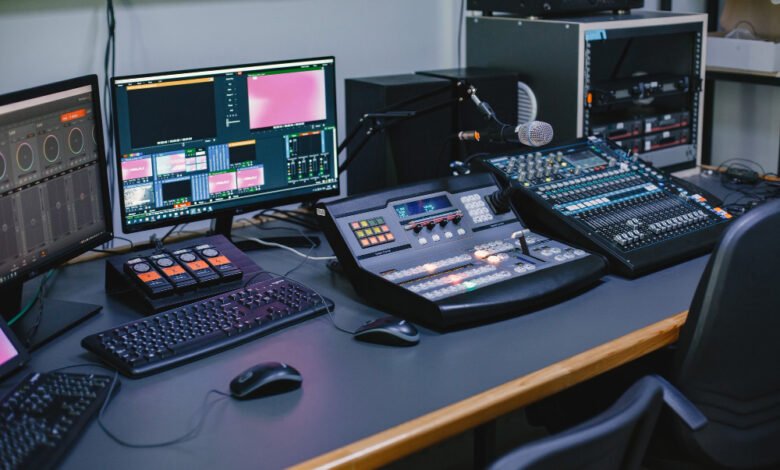
When you hire an AV team for events, you’re not just getting someone with equipment knowledge and more who knows how to plug in a mic and project a PowerPoint. You’re getting technicians, engineers, and production team members who have various specialties.
At the same time, their work operates collaboratively to determine how an audience will receive what’s happening in the room. Sound design, lighting, video production, live streaming efforts, and stage management don’t function separately. They function interconnectedly, and if one component makes a mistake, it affects the rest.
For example, sound. It’s not just about whether the audience can hear the presenter. It’s about distribution of clarity at various distances, avoiding feedback in unique spaces with no predetermined acoustics, distracting competing sound sources, and on-the-spot adjustments when something goes wrong. An audio engineer isn’t listening like the rest of the room. They’re dialed in monitoring, making adjustments and noting real-time concerns before anyone else knows there’s a problem.
Lighting Does More Work Than People Realize
Where too many events miss the boat is with lighting. People view it as decor when it’s one of the most powerful tools for regulating atmosphere and directing attention. The lighting set up in a space can engage or disenfranchise audience members without anyone ever saying a word.
Corporate presentations are grateful for clean, evenly distributed light so that all the hard work put into performance comes off professionally. Concerts and performances benefit from dynamic lighting that tells a narrative along with the music. Weddings are able to shift seamlessly from ceremony to celebration through color changes alone. A professional AV team recognizes these nuances and designs lighting plans purposefully.
The Prep Work Nobody Sees
One of the biggest distinctions that separates a mediocre AV company from an excellent one is what happens before attendees arrive. Load ins, rigging, cable management, sound checks, this requires time and precision. A team that doesn’t care about how it looks before the event starts isn’t necessarily one who will prioritize what’s happening when attendees do arrive.
People don’t expect this initial stage to happen, but venue walk-throughs and technical riders occur long before equipment is set up. Professional AV teams assess ceiling heights, power limitations, acoustics, sight lines and a dozen other variables to determine what equipment will make sense and where it should be placed. A setup that works beautifully in one location will fail entirely in another if those specifications aren’t taken into account.
Live Streaming and Hybrid Events
This has become a genuinely significant part of what AV companies contend with nowadays, hybrid events where some participants are present while others are online require an entirely different level of technical coordination. What’s happening in the room needs to exist at the same time as what’s happening virtually; therefore, camera locations, audio routing, encoding, and platform operating all need to function simultaneously.
While this sounds simple enough in theory, in reality it’s not as easy as it looks. Anyone who’s watched a live-streamed event where the audio cuts out or the video camera angle is so shoddy that no one can see the slides (instead only hearing frustration from a presenter) understands how quickly a poorly executed technical setup undermines the entire experience. Professional AV companies build redundancies into their execution because live events don’t offer do-overs.
On the Day, They’re Problem Solvers
Even when things go perfectly planned from sound check through dress rehearsal, real-time surprises occur once everyone enters the building. A presenter runs long on stage. A performer requires monitor adjustments. A presentation file doesn’t operate as it did in rehearsal.
These realities are where having good, seasoned pros truly makes the difference. They’re not just running equipment; they’re reading rooms, communicating with event managers and making real-time decisions while respecting everyone with critical dynamic awareness. You can’t put a price on someone successfully problem solving ten minutes before keynote speech begins because they’ve seen it all before.
What to Look for When Choosing a Team
Experience of similar events matters but so does communication. A professional AV company should be asking detailed questions about the forthcoming event instead of showing up day of with equipment. They should run through their plans, explain their choices based on equipment and operation requirements and flag any potential issues early on.
References help but so does assessing how the team responds during an initial meeting. If they’re already thinking ahead about venue specifics, timeline details and what matters most to make the event successful, then they’ve got an edge.
The Bigger Picture
At the end of the day, professional AV work makes everything else feel like it’s going to plan while it’s going to plan. Speakers feel empowered to convey their messages successfully. Audiences are engaged for otherwise boring topics. Productions reflect meticulous thought and investment put into making the event happen in the first place.
That’s no small task, and it’s far from just plugging in a projector