


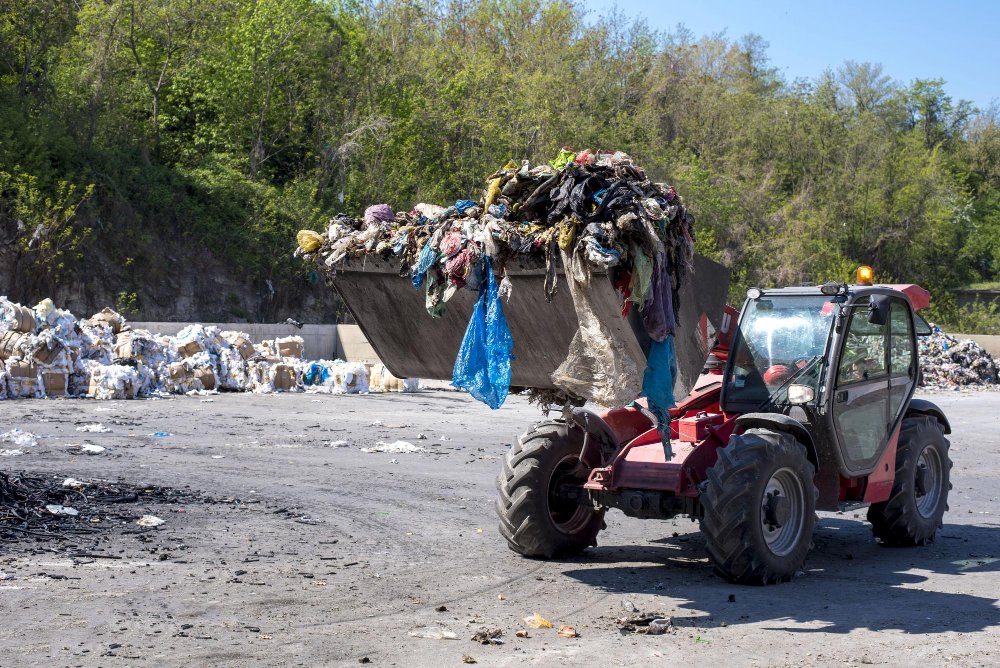
Most household rubbish fits perfectly into a wheelie bin or the schedule of the next council pickup. Then there’s the other stuff, the furniture that won’t fit out the door, the appliances that are heavier than people think, the leftover construction materials that seem to take over by day. Heavy rubbish is a problem in itself, and attempting to get it handled without professional help often leads to damaged property and injured backs or items sitting at the curb for days, no one really knowing what to do with it.
The thing is, heavy doesn’t just mean weight. It means odd shapes, hazardous materials, and things that the average rubbish service won’t touch. Knowing what heavy rubbish means in the first place can save a lot of hassle down the line.
What is Considered Heavy Rubbish?
Generally, oversized couches and mattresses are at the top of the list. They’re bulky, hard to maneuver through doorways and most councils will not accept them in any form as scheduled rubbish. Mattresses, for example, have a specific hygiene issue connected to them and what’s inside (materials) need appropriate handling.
Appliances are also included in this group. Refrigerators, washing machines, dryers, dishwashers—all parts should not be going to landfill with the rest of general rubbish. Fridges need their refrigerants to be handled by professionals. Washing machines contain motors and metal that cannot just go to scrap with the rest of what’s available. These aren’t materials that can go on the back of a trailer and brought to the local tip without assessment of what’s needed.
Beyond couches, furniture creates complication as well. Wardrobes, entertainment units, dining tables and bed frames need to be taken apart just to get them out of the home. Solid timber furniture is heavier than its appearance suggests, and the inclusion of mirrors and glass only serves to complicate matters further.
The Dangers of DIY Heavy Rubbish Removal
Back injuries occur more often than people think. Lifting a couch with your friend sounds good in theory until someone loses their grip three steps down a flight of stairs. Heavy items have awkward centers of gravity and unless someone truly identifies how difficult they are going to be once getting them off the ground, they can easily shift during movement.
Damaging property is a common occurrence as well. Door frames become gouged, walls get dings, floors get scratches. That old fridge being scraped down the hallway might save some expensive professionals from handling it, but sometimes the restoration bill for damaged architraves and gouged floorboards costs much more in the long run. Staircases become even more complicated, one misplaced step can have an appliance barreling down steps, destroying everything in its path.
Then there’s the disposal issue. Stuffing everything in a vehicle is only half the battle. Many waste facilities have specific requirements for heavy rubbish. Some will not accept certain appliances without proof they’ve been de-gassed; others charge per weight or item type. Getting turned away after waiting in line with an improperly loaded vehicle only leaves people frustrated when they thought they were doing all they could.
Why Professionals Do It Better
Professional removalists come across heavy rubbish on a daily basis. They know how to navigate tight spaces without damaging them, how to keep property safe while removing and how to use equipment for safe handling. Most importantly, they know disposal rules and have contacts at facilities that accept different types of rubbish. When massive items require specialist handling, like Rubbish Removal in Sydney will, then professionals take it from there and dispose properly.
Equipment matters as well. Trolleys, straps, protective blankets and trucks aren’t just conveniences, they’re what make heavy rubbish removal successful without damage or injury. Professional teams work in pairs (or more), coordinating lifts and movements in ways which can disperse weight safely.
Items That Need Special Disposal
Certain heavy rubbish can’t go to a household tip at all. Air conditioners have refrigerants, which are illegal in the environment, when released into the air; hot water systems may have remnants of water inside that need to be debottled, or pressure issues that need release, to avoid injury; concrete, bricks and construction debris often require separate places for disposal from those going with general waste.
Electronic waste has its own category. Old televisions and computer equipment and audio systems have components needing proper recycling, and many of those components are heavier than they look, as older CRT televisions can tip the scales over 30 kilograms.
Hazardous waste adds another level of complexity. Paint cans, chemical containers, batteries, fluorescent lights have specific methods for disposal; they cannot go with general waste and improper disposal can lead to environmental contamination and legal trouble.
When Is It Time To Call For Professional Help?
If an item requires more than two people to safely lift, that’s a good sign professionals may be worth it; if it contains materials needing special disposal, getting separated makes it too time consuming for a do-it-yourself venture; if there are stairs or narrow passageways or valuable flooring needing to not be damaged, then it’s probably better not to take the chance that money saved will actually mean anything.
Time plays a factor too, even if it could be done within an hour. Assessing disassembly, loading, transport and proper disposal can turn into what a DIY effort could take an entire day, and for those paying for professional services, it means time saved completing it correctly in no time at all.
Heavy rubbish creates legitimate problems that go beyond mere inconvenience. Knowing which items need professional services beforehand save injuries, property damage and disposal issues. Some things are worth doing yourself; heavy rubbish removal typically isn’t one of them.