

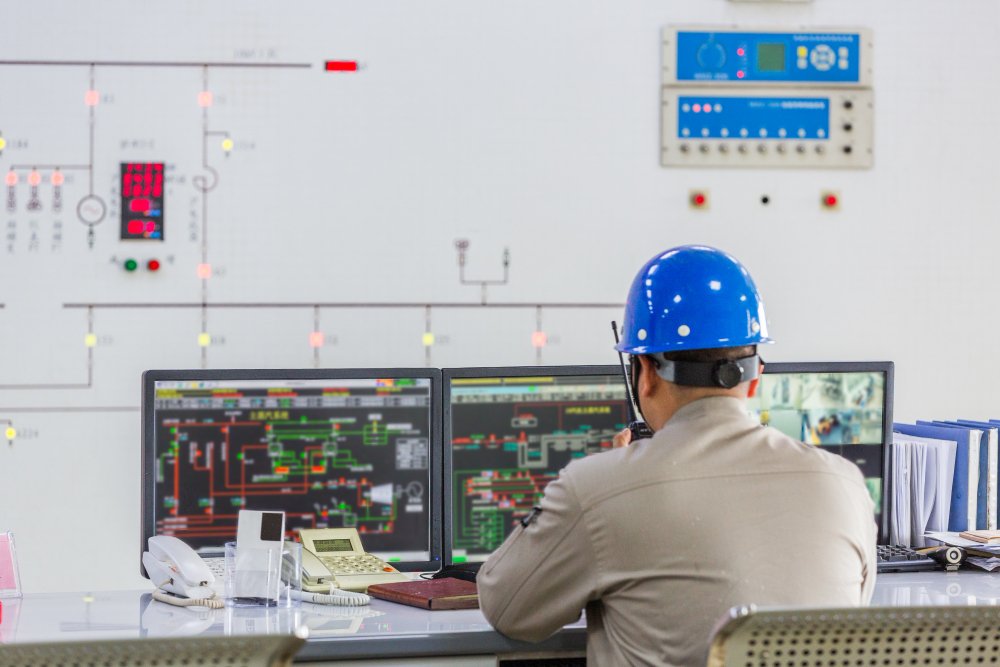
Most industrial facilities run on control systems that were designed around equipment specifications rather than the people who actually use them. The result is a control room full of interfaces that technically work but don’t reflect how production actually flows, how operators think, or how maintenance teams troubleshoot problems. When control systems align with real operational patterns instead of just meeting technical requirements, everything becomes easier to manage.
Understanding What Your Facility Actually Needs
The difference between a generic control system and one that fits a facility starts with understanding the actual workflow. Every production environment has its own rhythm—how shifts hand off information, which parameters operators monitor most closely, where bottlenecks typically occur, and what maintenance tasks happen most frequently. A control system designed around these realities gives operators the information they need when they need it, rather than forcing them to navigate through screens designed for a different type of operation.
This matters more than most people realize. When operators spend time hunting for information or translating what the system shows them into what they actually need to know, that’s wasted mental energy. When maintenance teams have to work around control logic that doesn’t match their troubleshooting process, repairs take longer. The facility might be running, but it’s running harder than it needs to.
The Planning That Makes Everything Else Possible
Getting control systems right means involving the right people early. Operators know which parameters matter most during normal production and which alarms actually indicate problems versus nuisance alerts. Maintenance teams understand which components fail most often and what data they need for diagnostics. Production managers know how scheduling changes affect the line and what flexibility the system needs to support.
Working with experienced professionals in control systems design means this operational knowledge gets translated into system architecture that supports real workflows. The control logic reflects how processes actually run, not just how they theoretically should run. Interface layouts put critical information front and center while keeping secondary functions accessible but not cluttering the main screens. Alarm hierarchies distinguish between issues that need immediate attention and conditions that operators should monitor but don’t require action yet.
This upfront collaboration takes time, but it prevents the common scenario where a control system gets installed and then everyone spends months developing workarounds because it doesn’t quite fit how things actually work.
Building Flexibility Into the System
Production facilities change. New equipment gets added, processes get optimized, product lines shift, and operational priorities evolve. Control systems designed with this reality in mind make adaptation straightforward rather than requiring major reprogramming or hardware changes every time something shifts.
The architecture matters here. Modular control logic allows sections of the system to be modified without affecting the whole operation. Scalable hardware platforms mean adding capacity doesn’t require replacing existing infrastructure. Communication protocols that support multiple equipment types prevent compatibility headaches when new machinery arrives from different manufacturers.
Facilities that plan for change from the beginning spend less time and money on modifications down the road. The system grows with the operation instead of becoming an obstacle to improvement.
Creating Interfaces That Make Sense
Control system interfaces should feel intuitive to the people using them every day. That doesn’t mean dumbing anything down—operators in industrial facilities are highly skilled professionals who understand their processes deeply. It means organizing information in ways that match how they think about the operation.
Good interface design groups related parameters together, uses visual representations that make trends and anomalies obvious at a glance, and provides drill-down capability when operators need detailed information without cluttering the main view. Color coding should be consistent and meaningful. Navigation should follow logical patterns that match process flow rather than equipment groupings that only make sense to the person who programmed it.
The best control interfaces almost disappear during normal operation because everything is exactly where operators expect it to be. They only become really noticeable when something goes wrong, and that’s when clear, well-organized information becomes absolutely critical.
Supporting Different Skill Levels and Roles
Not everyone interacts with control systems the same way. Experienced operators might prefer detailed numerical displays and direct control access, while newer team members benefit from graphical representations and guided procedures. Maintenance personnel need different views than production supervisors, who need different information than quality control staff.
Modern control systems can accommodate these different needs without becoming overly complicated. Role-based access ensures people see what’s relevant to their work. Customizable dashboards let users arrange their screens around their priorities. Training modes allow new operators to practice without affecting production.
When control systems support how different people work rather than forcing everyone into the same interaction model, the whole team becomes more effective.
The Long-Term Benefits of Getting It Right
Facilities with well-matched control systems see benefits that compound over time. Operators become more confident and efficient because they’re working with tools that make sense. Troubleshooting gets faster because the system provides the right diagnostic information in accessible formats. Training new staff takes less time because the interface logic matches operational logic.
These improvements show up in production metrics—less downtime, fewer quality issues, better response to problems, and smoother shift handovers. They also show up in less quantifiable but equally important ways, such as reduced operator stress, better team morale, and increased willingness to suggest improvements because the system feels like something the team can actually shape rather than just endure.
Making It Happen
Building control systems that truly match operational needs requires collaboration between technical expertise and operational knowledge. The electrical and automation specialists need to understand not just what the facility does but how it does it, who makes decisions, what information matters most, and where current processes could work better with the right support.
This means going beyond specifications and really listening to the people who run production every day. It means visiting the facility, watching operations during different shifts, and understanding the challenges that don’t make it into formal documentation. It means designing systems that solve real problems rather than implementing solutions, looking for problems to solve.
The goal is creating control infrastructure that feels natural to use, supports the work people actually do, and makes complex operations manageable. When that happens, the control system becomes an enabler rather than just another piece of equipment to maintain. Production runs more smoothly, problems get resolved faster, and the facility becomes easier to operate. That’s what proper design makes possible.